
What is Cryotherapy?
Cryotherapy is a treatment method that uses controlled exposure to very cold temperatures to reduce inflammation, relieve pain, and support tissue healing. In clinical settings, cryotherapy can be used to treat musculoskeletal injuries, arthritis, nerve irritation, and post-surgical swelling.
It is also increasingly used for its potential benefits in managing chronic pain, autoimmune conditions, and mood disorders such as anxiety and depression. By constricting blood vessels and lowering nerve activity, cryotherapy provides a non-invasive way to manage symptoms, improve circulation after rewarming, and speed up recovery—making it a useful addition to comprehensive patient care.
Inflammation
- • Arthritis
- • Atopic dermatitis
- • Psoriasis
Metabolic
- • Diabetes
- • Obesity
- • Caloric Expenditure
Neurologic
- • Dementia
- • Parkinson's Support
- • Alzheimer’s Wellness
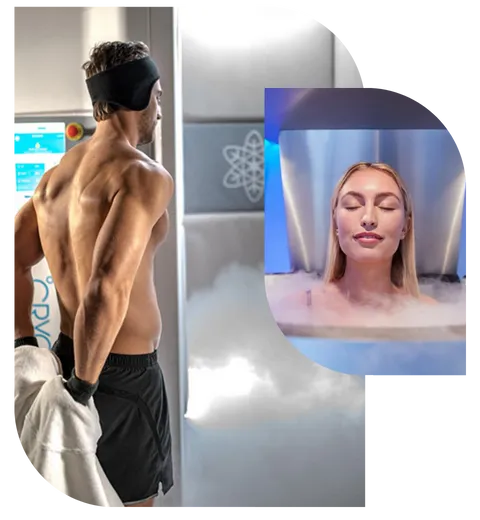
⚡ 500–800 calories are burned during and after the session as the body continues to exert effort to reheat. Vasodilation occurs, circulating fresh oxygenated, nutrient-rich blood throughout the body.
How Does It Work?
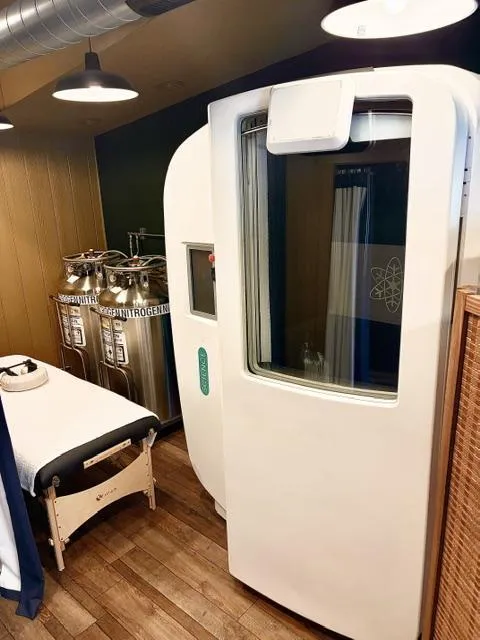
In our state-of-the-art cryochamber, clients are briefly exposed to nitrogen-chilled air. We feature one of the safest and most advanced cryotherapy chambers to date.
- ✓In the cryochamber, the client is exposed to air vapor chilled by liquid nitrogen — we feature the safest chamber available!
- ✓The body enters a temporary state of survival, triggering beneficial adaptive hormetic responses.
- ✓Blood rushes to the core, causing vasoconstriction in the skin, muscles, tissue, and extremities.
- ✓Metabolism increases significantly to generate internal thermal heat.
- ✓Adrenaline and endorphins are released, reducing pain, improving mood, stimulating the immune system, and boosting natural energy.
- ✓Vasodilation follows re-warming, circulating fresh oxygenated, nutrient-dense blood to accelerate cellular repair.
Benefits of Cryotherapy
Cryotherapy is a therapeutic treatment that uses extreme cold to stimulate the body's natural healing processes. It helps with fat burning, pain relief, faster recovery, improved mood, and enhanced immunity.
Boosts metabolism and weight loss
Burns 500 to 800 calories from a single session
Decreases inflammation in tissue, muscles and joints
Reduces recovery time from injury or fatigue
Improves blood circulation and oxygenation
Promotes cellular and tissue repair
Releases norepinephrine and endorphins
Detoxifies the skin, liver, and lymph systems
Eases chronic pain & joint stiffness
Relieves stress, depression & insomnia
How Cryotherapy Works: A Detailed Version
Cryotherapy works by exposing the body to extremely cold temperatures for a short duration, triggering a series of physiological responses that help reduce pain, inflammation, and support healing.
12K+
Happy Clients
4.8★
Rating Customer
10+
Types of Sessions
12+
Years Experience
Cold Exposure
In whole-body cryotherapy (WBC), the body is briefly exposed to temperatures as low as -100°C to -160°C (-148°F to -256°F) in a specialized chamber for 2–3 minutes. In localized cryotherapy, cold is applied directly to an injured or painful area using ice, cold air, or a cryoprobe.
Vasoconstriction and Blood Flow Shift
The extreme cold causes vasoconstriction, where blood vessels constrict and blood is redirected to the core to protect vital organs. This helps dramatically reduce inflammation and swelling in extremities and injured tissue.
Analgesic Effect
Cold temperatures numb nerve endings, which slows down pain signals and creates a powerful analgesic (pain-relieving) effect. This is especially helpful for managing chronic pain, joint disorders, and muscle soreness.
Rebound Vasodilation
After the session, as the body warms up, blood vessels dilate (vasodilation) and oxygen-rich, nutrient-loaded blood flows rapidly back to the tissues. This supports rapid healing, cellular repair, and toxin removal.
Systemic Benefits
Cold exposure triggers the release of endorphins (natural mood enhancers), reduces cortisol (the stress hormone), and boosts metabolism and immune function. Studies suggest it aids mood disorders and systemic inflammatory conditions.
Stories From The Path To Wellness
Common questions regarding our therapies and membership options.